
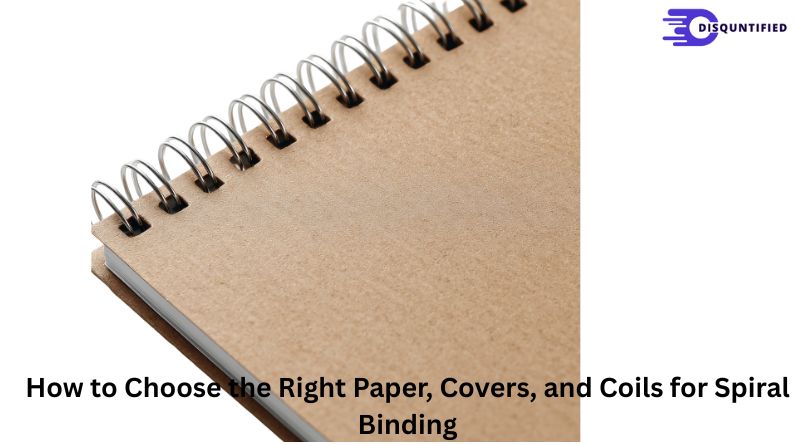

Spiral binding offers a proven, flexible solution for creating polished presentations, reports, manuals, and workbooks. With its ability to lie flat and accommodate a range of document sizes and thicknesses, spiral binding is ideal for both professional and personal projects. However, the quality and usability of any spiral-bound document depend largely on careful consideration of the materials you choose — especially the paper, covers, and binding coils. Whether you’re preparing a batch of training manuals or a single portfolio, selecting these components is crucial for lasting durability and visual appeal. For businesses and creative professionals, high-quality spiral bound booklets can make all the difference in achieving that polished, professional look.
Beyond aesthetics, picking the right supplies also impacts readability, comfort, and the overall user experience. The right combination ensures that your document not only withstands repeated handling but also showcases your content as intended. Think of paper that resists bleed-through, covers that protect and communicate value, and coils robust enough for frequent flipping – all these choices add up to a superior finished product that can impress your audience or enhance organization. If you’re new to spiral binding or looking for a refresher, the following guide breaks down each step of the selection process to help you make informed decisions and avoid common pitfalls.
Understanding Paper Weights and Types
Paper is the foundation of any professional spiral-bound project. When choosing paper, start by understanding paper weight, which is usually measured in pounds (lb) in the U.S. or grams per square meter (gsm) internationally. Standard printer and copier paper is generally 20 lb bond (75 gsm), suitable for basic internal documents or drafts. For presentations, proposals, or external communications, opt for heavier paper such as 24 lb or even 28 lb bond, which offers a thicker, more substantial feel and greater resistance to ink bleed-through.
Paper type is equally important. Matte and uncoated stocks are preferred for readability in text-heavy documents. At the same time, glossy finishes enhance the vibrancy of images, making them an excellent choice for brochures, portfolios, or any visually focused booklet. Additionally, consider using acid-free papers for long-term archival documents to prevent yellowing and degradation over time.
Choosing the Right Covers
The cover is not only your document’s first line of defense but also its visual statement. Clear PVC or polypropylene covers are extremely popular, as they allow the first printed page to show through and provide protection from moisture and everyday wear and tear. For a more substantial or colored look, consider textured or colored cardstock covers, which offer impressive durability and a professional touch.
When evaluating cover thickness, remember that too-thin covers provide little protection, while overly thick options might add unnecessary bulk and make handling unwieldy. Most offices benefit from using polypropylene or 65 lb cardstock for standard documents; for external or client-facing documents, premium textured or laminated covers communicate added value and care. Your choice should reflect the function, formality, and handling requirements of the document.
Selecting Appropriate Coil Sizes and Materials
Spiral coils are available in various materials and sizes, allowing you to tailor the binding precisely to your document. Plastic coils are lightweight, flexible, cost-effective, and available in various colors to coordinate with your brand or document theme. Metal coils (commonly aluminum) are more durable and present a sophisticated, modern look, making them ideal for high-use professional documents or academic projects.
The document’s finished thickness determines coil size. As a rule of thumb, the coil diameter should be about 1/8 inch larger than the thickness of your assembled pages and covers. Under-sizing can restrict page turning, while oversizing leads to a sloppy appearance and less secure binding. Many binding supply companies and binding calculators offer charts to help you match page count and paper thickness to the ideal coil size.
Considering Document Thickness and Page Count
The number of pages in your document, combined with paper weight and cover stock, dictates the appropriate coil size. For example, a document with 100 sheets of standard 20-lb paper (plus covers) will require a coil approximately 7/16 inches in diameter. Always round up to the nearest size if your page count falls between standards. If the document is text-dense, uses heavier or specialty paper, or incorporates multiple inserts, factor in the added bulk to avoid strain on the coil and potential tearing of pages.
It’s important not to max out a coil’s capacity; a little extra room ensures pages turn with ease and reduces wear along the binding edge.
Tips for Assembling Your Spiral-Bound Document
- Align all pages and covers carefully before punching to maintain even margins and a neat edge.
- Use a punch and binding machine rated for your paper and coil size to achieve the best results and reliable hole spacing.
- After inserting the coil, be sure to crimp or bend the ends; this prevents the coil from unwinding during regular use.
- Check periodically for snags or misaligned holes and correct any issues before final assembly to avoid rework.
Common Mistakes to Avoid
- Overloading the coil: Using a coil that’s too small for the document leads to page tears and a binding that bulges unattractively.
- Misaligned holes: Ensure holes are consistently spaced and perfectly aligned to avoid uneven or protruding pages.
- Neglecting to crimp coil ends: Skipping this simple step risks your document unraveling over time, especially in regularly handled booklets.
- Choosing the wrong paper or cover for the intended use: Always match durability and finish to the setting and audience.
Conclusion
Spiral binding offers a blend of practicality, professionalism, and flexibility for document presentation, but the ultimate results depend on carefully chosen materials. By matching paper weight and type to your content, selecting covers that strike a balance between protection and design, and ensuring your coils are compatible with your document’s thickness, you’ll achieve both form and function. Paying close attention during assembly and learning from common mistakes can further elevate your finished product. After all, a well-bound document not only communicates your message but also demonstrates your commitment to detail and quality.
