
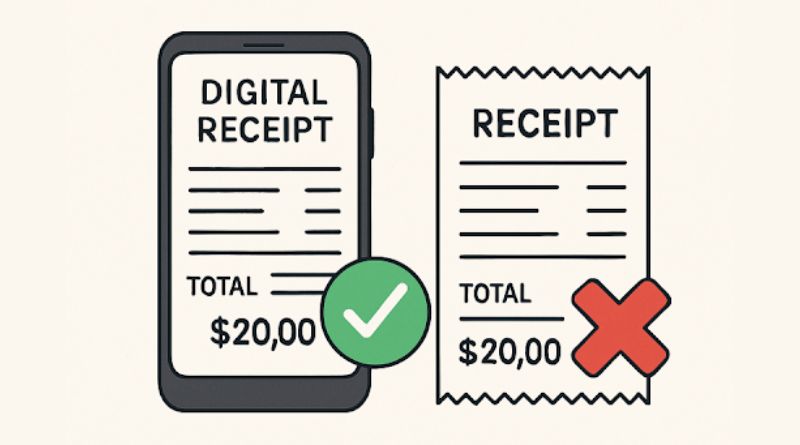

The Shift Towards Digital Receipts
Digital receipts have swiftly emerged as the preferred solution for documenting transactions, supplanting traditional paper in industries worldwide. Driven by a growing commitment to sustainability and advancements in digital technology, businesses and consumers alike are transitioning to electronic proofs of purchase. The shift is not only about going green; it’s about transforming the way information is stored, managed, and accessed. Adopting receipt management software streamlines this process, enabling both businesses and individuals to transition seamlessly to efficient, secure, and organized digital documentation.
Increasing regulatory pressure also supports this shift. The European Union’s ban on bisphenol A (BPA) in thermal paper, implemented in 2020 due to evidence of health risks, has hastened the decline of paper receipts. In many markets, business leaders are now recognizing that paperless transactions are not only ethical but also economically beneficial, as they reduce both direct costs and long-term environmental impact.
Consumers are growing more conscious of the ecological footprint associated with everyday purchases. As awareness of issues such as deforestation and chemical pollution increases, individuals are seeking out retailers that offer digital alternatives. For organizations, this demand is an opportunity to boost public trust while modernizing their back-office operations.
In tandem with legislative changes, the COVID-19 pandemic further accelerated the adoption of contactless solutions, including digital receipts, as people and businesses prioritized hygiene and social distancing. According to The New York Times, major economies, such as France, have implemented bans on the automatic printing of paper receipts to encourage eco-friendly behaviors.
Environmental and Health Impacts of Paper Receipts
Conventional paper receipts carry a heavy environmental toll, from raw material consumption to landfill waste. The production and disposal of receipts result in the felling of millions of trees annually, along with the use of large quantities of water and energy. Even more concerning are the potentially hazardous chemicals used in thermal paper, including BPA and BPS, which are associated with hormone disruption and other health issues. Studies have shown that brief contact with a thermal paper receipt is enough to transfer measurable levels of BPA to the skin. Eliminating these materials by going digital reduces exposure risks, protects workers in retail settings, and lightens the overall ecological burden.
Benefits of Digital Receipts for Businesses
Shifting to digital receipts can unlock substantial advantages for organizations of all sizes:
- Cost Reduction: Digital solutions eliminate expenses on thermal paper, maintenance, and printing hardware, resulting in significant savings in both money and administrative time.
- Enhanced Customer Experience:Receipts sent via email or stored in an app are easily retrievable, reducing hassles with product returns or expense tracking.
- Data Analytics and Insights: Digital receipts open up new avenues for collecting customer data, enabling personalized marketing and deeper engagement through targeted loyalty programs.
Companies that analyze transaction data ethically are becoming increasingly adept at anticipating customer needs and responding with targeted offers. This not only increases satisfaction but can also drive higher sales over time as businesses refine their outreach. According to Forbes, digital receipts have even become strategic tools for post-purchase engagement, evolving from simple transactional records to powerful marketing channels.
Consumer Preferences and Digital Receipts
Surveys indicate a growing preference for digital receipts, especially among younger, tech-savvy consumers who value simplicity and environmental responsibility. Many shoppers actively request electronic receipts to minimize paper clutter, better organize expenses, and support sustainability. As digital-native generations grow in purchasing power, businesses must adapt to these evolving expectations or risk losing relevance with their customer base.
Retailers responding to demand for digital proof of purchase foster goodwill, demonstrating shared values with their clientele. These innovations create a win-win: they help customers conveniently track their spending while advancing broader sustainability goals.
Technological Innovations in Digital Receipts
Blockchain Technology
Security remains paramount in transaction documentation. Blockchain offers a tamper-resistant system for issuing and storing digital receipts. By establishing a verifiable digital ledger, blockchain provides consumers and regulators with assurance of data authenticity, reducing fraud and simplifying audits.
Artificial Intelligence
Artificial intelligence is transforming the extraction of insights from receipt data, powering everything from purchase trend predictions to real-time personalized product recommendations. Well-designed AI solutions help businesses understand consumer behavior patterns and adjust inventory, marketing, and loyalty programs accordingly.
Integration with Digital Wallets
The integration of digital receipts with mobile wallets, such as Apple Pay or Google Pay, further enhances convenience. Consumers can now access, search, and manage purchase histories at their fingertips, reducing reliance on email inboxes or physical storage.
Regulatory Trends and Digital Receipts
Around the world, lawmakers are enacting measures to encourage or require the use of digital receipts, contributing significantly to waste reduction. France’s prohibition of automatic paper receipt printing is among the latest steps. As regulatory efforts expand, businesses must stay attuned to evolving legislation and invest in compliant digital infrastructure to remain competitive and avoid penalties.
Such changes are likely to intensify as cities and countries strive to fulfill their climate pledges and public sector sustainability initiatives. Businesses that make the transition proactively will be well-positioned to thrive in a marketplace shaped by eco-conscious consumers and forward-thinking policies.
Challenges in Adopting Digital Receipts
- Technological Barriers: Smaller retailers may struggle with the upfront cost or technical know-how required to implement digital receipt systems. Tailored solutions and supportive onboarding are essential for broad adoption.
- Consumer Privacy Concerns: The collection and storage of purchase data requires robust data protection practices. Transparent privacy policies and secure systems are crucial in maintaining trust.
- Regulatory Compliance: Rules regarding digital receipts vary between countries and regions. Businesses must ensure their solutions meet all legal requirements related to digital transaction records, tax compliance, and data security.
Conclusion
Embracing digital receipts is more than a technological upgrade—it’s a commitment to sustainability, customer satisfaction, and future-ready business practices. Enhanced operational efficiency, reduced environmental impact, and a more customer-centric approach are among the rewards for businesses taking this step. With ongoing innovation in technology and regulations, digital receipts are set to become the gold standard of transaction documentation, delivering tangible benefits for retailers, shoppers, and the planet.
