

The First Few Minutes After the Crash
A collision on SR-436 or US-17/92 can be disorienting, especially where traffic moves quickly through busy Casselberry intersections and commercial corridors. Your first task is not to decide who caused the crash. It is to prevent additional harm, check on everyone involved, and get help when needed. If injuries, disputed facts, or insurance issues make the situation more complicated, speaking with a car accident lawyer Casselberry may help you understand the next steps. Check yourself, passengers, and other people for injuries. Call 911 immediately if anyone is seriously hurt, trapped, unconscious, confused, bleeding heavily, or in danger from traffic. Do not move an injured person unless remaining in place poses a greater risk, such as a fire or an approaching vehicle. Turn on hazard lights, remain alert to surrounding traffic, and move to a safer nearby area only when the vehicle can be moved safely. Florida drivers involved in a crash involving another attended vehicle or property must stop and remain at the scene while meeting their responsibilities. The state law addressing damage to a vehicle or other property also recognizes that moving a vehicle out of the main traveled portion of the road, when appropriate, does not by itself establish fault. For example, a driver may feel shaken but physically fine after a rear-end collision near a congested light. Several hours later, that same person may notice a headache, neck stiffness, dizziness, or shoulder pain. Safety and medical concerns should always take priority over taking photographs while standing near active lanes.
Reporting the Collision
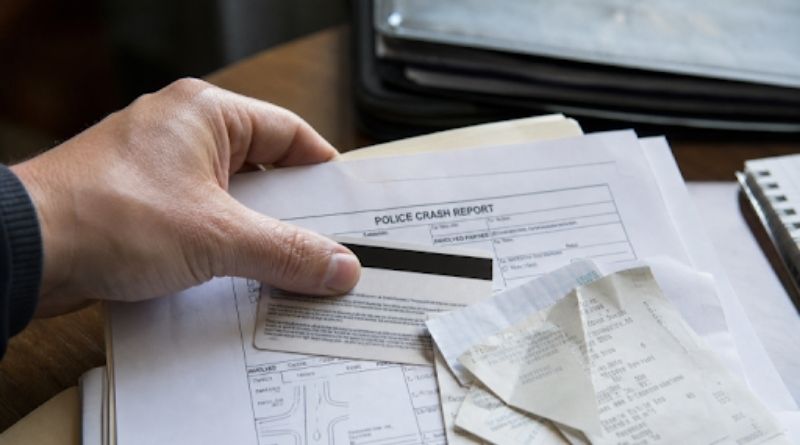
Law enforcement involvement is especially important when someone reports pain or injury, a vehicle needs to be towed, there is significant damage, a driver appears impaired, a party leaves the scene, or the drivers disagree about what happened. Ask the responding officer for the agency name, the report or incident number, and instructions for obtaining the completed crash report. A police report can be valuable, but it is not a complete substitute for your own records. It may identify the vehicles, drivers, witnesses, location, and officer observations, while photos, medical records, and repair estimates can provide additional context. Florida’s rules for written crash reports require a long-form report after certain crashes, including those involving injury or complaints of pain, those involving an inoperable vehicle requiring a wrecker, those involving a commercial vehicle, or those involving specified violations.
Recording the Scene Safely
If conditions are safe, use your phone to create a clear record before vehicles are repaired, towed, or moved. Take wide shots first, then closer images. Preserve the original files when possible, rather than heavily editing photos or relying only on screenshots.
Photos and Notes to Consider
- Each vehicle from multiple angles, including visible damage and license plates.
- The road layout, lane markings, signs, traffic signals, and nearby businesses.
- Debris, skid marks, vehicle parts, weather, lighting, and road-surface conditions.
- The approximate location, direction of travel, time, and sequence of events.
- Names and contact information for independent witnesses.
- Possible nearby cameras, including storefront, intersection, dashcam, or residential cameras.
Do not place yourself in danger to obtain a better image. A short written note made while details are fresh can be just as useful as a photo. Record what you personally saw and heard, not assumptions about another driver’s speed, intentions, or distractions.
Information to Exchange
Stay courteous and factual while exchanging information. Avoid roadside arguments, apologies that could be misunderstood, or statements assigning blame before the facts are known. Drivers should generally exchange their name and contact information, driver’s license details, insurance carrier and policy information, vehicle description, and license plate number. Gather passenger and witness contact information when they are willing to provide it. Do not pressure a witness to take sides. If another driver will not cooperate, appears intoxicated, has no insurance information, or leaves the location, tell law enforcement. If you photograph a license or insurance card, keep the image secure because it may contain personal information.
Medical Care and Delayed Symptoms
Adrenaline can mask pain after a collision. Seek prompt medical care for symptoms such as a worsening headache, confusion, vomiting, numbness, weakness, neck or back pain, vision changes, breathing difficulty, severe abdominal pain, or unusual fatigue. Emergency symptoms need immediate attention. Tell the medical provider that the symptoms followed a motor vehicle crash. Then save discharge papers, appointment records, prescriptions, test results, bills, treatment plans, and work restrictions. Following medical advice and documenting changes in symptoms creates a clearer health record while supporting appropriate recovery.
Insurance and Recordkeeping
Notify your insurer promptly and provide accurate basic facts about the crash. Treat the first report as notice of a possible claim, not as a moment to estimate every injury, expense, or responsibility issue. Write down the claim number, adjuster’s name, deadlines, requested documents, and the date and time of every call.
Build One Crash Records Folder
- Scene materials: Photos, videos, witness details, and your timeline.
- Official records: Crash report information, citations, and correspondence.
- Medical documents: Bills, records, prescriptions, and work restrictions.
- Vehicle expenses: Tow receipts, storage charges, estimates, repairs, and rental costs.
- Work records: Missed shifts, reduced hours, pay information, and employer notes.
Read settlement documents, releases, and repair authorizations carefully before signing. A quick offer may not account for injuries or expenses that are still developing. Insurance coverage and claim procedures can vary by policy and circumstances.
Mistakes to Avoid
- Leaving the scene without meeting legal and safety responsibilities.
- Standing in traffic to take pictures or discuss fault.
- Admitting fault or guessing about details you do not know.
- Deleting dashcam footage, photos, texts, or call records.
- Starting repairs before adequately documenting vehicle damage.
- Posting detailed claims about the crash or injuries on social media.
- Ignoring symptoms simply because they were not obvious at the scene.
A 24-Hour Post-Crash Checklist
- Confirm everyone’s safety and call 911 when emergency help is needed.
- Move out of traffic only when it is safe to do so.
- Exchange driver, vehicle, insurance, and witness information.
- Take photos and make notes from a safe location.
- Save the report number and insurance claim information.
- Arrange towing, transportation, or a safe ride home if necessary.
- Seek medical care for pain, concerning symptoms, or worsening conditions.
- Create a crash folder and keep every receipt, record, and message.
A calm, organized response can make the days after a Casselberry crash easier to manage. Put safety first, preserve facts while they are fresh, take medical concerns seriously, and avoid rushed decisions before you understand the full situation.
Conclusion
Knowing what to do after a Casselberry car accident can help protect your safety, health, and ability to document what happened. Focus first on preventing further danger and getting emergency assistance when necessary. Once the scene is safe, exchange information, preserve available evidence, and keep detailed records of medical care, vehicle damage, expenses, and insurance communications. Because some injuries and claim issues develop after the initial collision, avoid making rushed assumptions or settlement decisions. If the accident involves serious injuries, disputed fault, uninsured drivers, multiple vehicles, or other complications, speaking with a qualified attorney may help you understand your options. A calm and organized response in the first hours and days can make the aftermath easier to manage and help preserve important information for whatever steps come next.
