
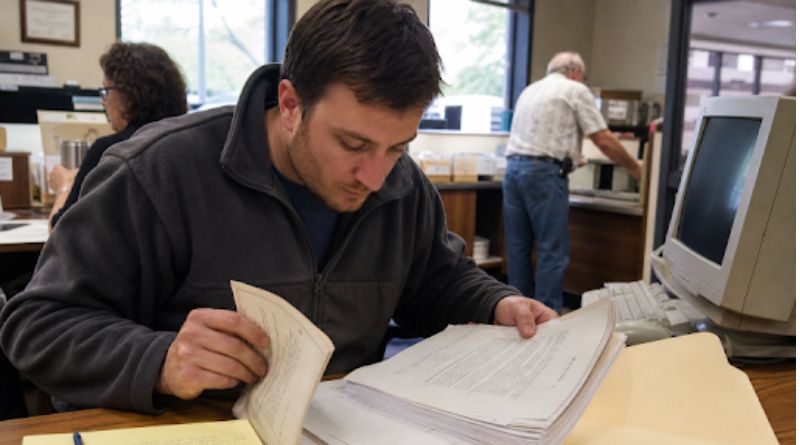

Buying a home means buying into its history as well as its walls and land. That history is reflected in public records, and title insurance is designed to address certain ownership-related risks that began before a buyer acquired the property, subject to the policy’s terms, conditions, and exclusions.
A careful review of records cannot guarantee that every issue will be found. Still, understanding the process can help buyers ask better questions, recognize potential delays, and take practical steps to protect both their ownership interest and their closing funds.
Why Every Home Has a Paper Trail
A property’s chain of ownership may extend through many prior owners and transactions. Each transfer can create documents that affect the next sale. For example, a prior owner may have paid off a mortgage, but if the release was not recorded correctly, the old loan can still appear as an unresolved item during a later transaction.
Records help establish who has the right to transfer the property and whether another party may have a claim or right affecting it. A home can look well-maintained while its recorded history contains an issue that requires attention.
What Property Records Can Reveal
A title search may involve records held by county offices, courts, tax authorities, or other local agencies. Depending on the property and jurisdiction, reviewers may look for:
- Previous deeds, legal descriptions, and ownership transfers.
- Mortgages, releases, tax liens, and judgment liens.
- Easements that grant access or utility rights to another party.
- Recorded restrictions, covenants, or homeowner’s association claims.
- Probate, divorce, bankruptcy, or foreclosure filings that affect ownership.
- Recorded surveys or boundary information.
Online access to these documents varies widely. Older records may be handwritten, incomplete, indexed differently, or located in more than one office, making interpretation more difficult than a simple online search.
How a Title Review Works
- Opening the file: The closing professional receives the contract, property information, legal description, and lender details.
- Searching records: Relevant deeds, liens, mortgages, easements, and court records are reviewed.
- Evaluating issues: The reviewer identifies items that could affect ownership, priority of liens, or the ability to close.
- Completing curative work: The parties may need payoff statements, releases, corrected deeds, affidavits, or court documents.
- Issuing a commitment or report:Buyers and lenders receive the conditions and exceptions associated with the proposed coverage.
- Closing and recording: Documents are signed, funds are disbursed, and the deed is recorded according to local procedures.
Owner’s Coverage vs. Lender’s Coverage
These policies are related, but they do not protect the same party.
- Owner’s coverage: Protects the buyer’s ownership interest and equity against certain covered title claims. It is generally optional for the buyer.
- Lender’s coverage: Protects the mortgage lender’s interest in the loan. It is commonly required when a buyer finances the purchase.
- Duration: An owner’s policy may remain in place while the insured owner, or eligible heirs, retains an interest in the property. A lender’s policy generally lasts until the covered loan is paid off.
A lender’s policy does not ordinarily protect a buyer’s down payment, equity, or personal ownership interest. Buyers should review the actual policy form and ask questions about local practices before deciding what coverage fits their transaction.
Potentially Covered Problems
Coverage depends on the policy, endorsements, listed exceptions, and applicable law. Examples of issues that may be covered include an undisclosed lien, forgery, recording error, unreleased mortgage, unknown heir, or competing ownership claim tied to an earlier transfer.
For instance, a buyer might close and later learn that a contractor’s valid lien from a prior owner was not discovered or released. The buyer did not create the problem, but the claim could still complicate ownership or a future sale. A covered claim may trigger investigation, legal defense, or payment for covered loss under the policy terms.
Common Limits and Exclusions
Title coverage is not a catch-all solution. Common exclusions or exceptions can include known problems, matters specifically listed in the policy, physical defects, and issues that a proper survey would reveal. Standard coverage also does not replace a home inspection for roof, plumbing, electrical, or structural concerns.
Some zoning, land-use, environmental, and building-code matters may also fall outside standard coverage. The exception schedule deserves close attention because it identifies matters the policy does not insure against.
Costs, Fees, and Payment Questions
Closing paperwork may show charges for a title search or examination, owner’s and lender’s policy premiums, settlement services, recording, endorsements, surveys, and attorney services, where applicable. Costs vary by location, property type, transaction complexity, and local rules or customs.
For financed purchases, borrowers should compare their final figures with the Closing Disclosure, which lenders generally must provide at least three business days before the scheduled closing. Ask why any important loan terms, cash-to-close figures, or fees differ from expectations.
Questions to Ask About Price
- Which policy or policies are included in the quote?
- Are search, settlement, recording, or endorsement fees separate?
- Is a simultaneous-issue rate available if both policies are purchased?
- Who is expected to pay under the contract and local customs?
- Is a survey or additional endorsement appropriate for this property?
Closing Safety
Record review is only one part of a safe transaction. Buyers should also be alert to seller impersonation, compromised email accounts, altered payoff statements, and messages that suddenly change wire instructions. Fraudulent instructions can look convincing because they may use names, addresses, and transaction details copied from legitimate communications.
Safe Wire Transfer Steps
- Confirm wiring instructions by calling a known, independently verified phone number.
- Do not trust an email, text message, or last-minute change by itself.
- Confirm the recipient name and account details before authorizing the transfer.
- Contact the bank immediately if money is sent to the wrong account.
- Keep copies of messages, wire confirmations, and phone records.
Because scammers often use urgency to push wire transfers, buyers should treat unexpected changes as a reason to pause and verify details through a separate channel. The Federal Trade Commission’s guidance on what to know before you wire money reinforces the importance of acting quickly if a transfer appears fraudulent.
A Practical Buyer Checklist and Common Questions
- Review the title commitment or report and every listed exception.
- Ask about unresolved liens, missing releases, or ownership gaps.
- Confirm whether an owner’s policy is included or optional.
- Compare final charges with the earlier estimate.
- Confirm that taxes, mortgages, and other payoff items are addressed.
- Decide whether a survey is needed for the property.
- Verify wire instructions by phone and keep the final closing documents.
Is title coverage required for every buyer?
A lender may require lender’s coverage for a mortgage loan, while an owner’s policy is generally optional. Requirements and customs can vary by location and transaction.
Does homeowner’s insurance protect the property record?
No. Homeowners insurance generally addresses future physical loss or liability risks, while title coverage addresses certain pre-existing ownership and record-related risks.
What if a title problem appears after closing?
Review the policy, notify the insurer promptly if appropriate, preserve relevant documents, and seek qualified legal advice for unusual or disputed matters.
