

Key Takeaways
- The best master-planned community fits everyday routines, not only occasional recreation.
- A home’s purchase price is only part of the budget. Insurance, taxes, HOA dues, CDD charges, utilities, and commuting costs can affect affordability.
- Riverview buyers should compare travel patterns, schools, health care access, shopping, road conditions, and future construction.
- Amenities have more value when they are convenient, maintained, and likely to be used regularly.
- Visiting at different times helps buyers see traffic, noise, parking, construction, and neighborhood activity more realistically.
Choosing a home in Riverview, Florida, involves more than comparing floor plans and model-home finishes. Buyers evaluating Riverview, FL, homebuilder communities should consider how each neighborhood supports workdays, family routines, outdoor time, travel, and long-term plans. Riverview offers access to the broader Tampa Bay area while providing a range of newer neighborhoods, established homes, parks, and growing retail corridors. That variety gives buyers options, but it also makes a careful side-by-side comparison important before signing a contract.
What Makes A Community Master-Planned?
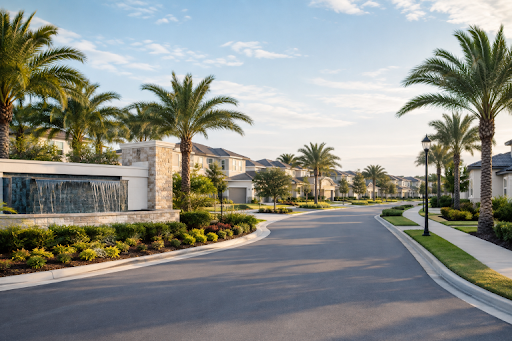
A master-planned community is a larger development designed around a coordinated vision for homes, streets, shared spaces, and future growth. It may include several builders, home styles, parks, trails, pools, playgrounds, open areas, schools, or commercial space. The exact mix varies widely from one Riverview neighborhood to another.
Common features can include:
- Multiple home collections, lot sizes, and floor plans.
- Shared recreation areas, sidewalks, trails, or sports courts.
- A homeowners association, community development district, or both.
- Planned future phases that may remain under construction for years.
- Rules covering landscaping, exterior changes, parking, pets, and property use.
An attractive amenity list does not automatically mean a community is the right fit. Buyers should consider the overall setting, including the distance to daily errands, the location of homes within the neighborhood, and the likely pace of nearby development.
Start With Daily Life
Before comparing pools, clubhouses, and kitchen packages, picture a normal Tuesday. Consider the drive to work, school drop-off routines, grocery trips, medical appointments, exercise, and visits from relatives. A neighborhood that feels ideal for a weekend tour may feel different during a busy weekday.
Daily-Life Questions To Consider
- How long is the commute at the time it will actually be made?
- Are groceries, pharmacies, and everyday services convenient?
- Can children get to school without a difficult or stressful drive?
- Are sidewalks, parks, and walking routes practical in the household’s routine?
- Will guests have reasonable parking and easy access to the home?
Calculate The Full Cost
The advertised home price should be the starting point, not the complete financial picture. Request written estimates of recurring costs and closing costs, then compare the same categories for every property under consideration.
Costs To Include
- Mortgage principal and interest.
- Property taxes and homeowners’ insurance.
- Flood insurance when required or chosen by the buyer.
- HOA dues, CDD assessments, and possible special assessments.
- Utilities, internet, lawn care, pest control, and pool maintenance.
- Fuel, tolls, parking, and vehicle costs connected to commuting.
Two similarly priced homes can create very different monthly budgets. One may incur higher community fees or insurance costs, while another may face longer travel time and higher transportation expenses. Compare the total expected monthly outlay rather than relying on the listing price alone.
Check Location And Commute Patterns
Map distance does not always reflect actual travel time in Riverview. School schedules, peak commuting periods, weather, crashes, and road work can all change a familiar route. Drive to key destinations during the morning and afternoon periods that match your household’s schedule. It is also smart to review the county’s road-project information when comparing areas, since planned improvements and construction can affect future access. Check alternative routes, toll road options, and the locations of major intersections before deciding whether a route is manageable.
Compare Amenities With Real Use
A well-used neighborhood park may be more valuable than a large facility that is difficult to reach or reserve. Ask whether amenity hours fit your schedule, whether reservations are needed, and whether clubs or programs carry additional fees.
Useful Amenity Questions
- What is complete and available today?
- Which amenities are planned for later phases?
- Who pays for repairs and long-term maintenance?
- Are guests allowed, and are there capacity limits?
- How close is the home to the amenities you expect to use?
Review Schools And Local Services
School attendance boundaries and transportation arrangements should be confirmed directly with the appropriate district before making a purchase. Buyers should also create a simple service map for each community that includes the nearest grocery store, pharmacy, urgent care center, hospital, library, airport, workplace, and preferred recreation areas. This exercise can reveal practical differences that are easy to miss during a model-home visit. It also encourages buyers to consider the services they use most often rather than focusing solely on a community entrance or clubhouse.
Consider Drainage, Storm Readiness, And Maintenance
Florida buyers should understand the property’s drainage setting, insurance requirements, and maintenance responsibilities. Review the address through the FEMA Flood Map Service Center, then discuss the results with an insurance professional and other qualified local advisors as needed.
Questions Worth Asking
- What flood zone applies to the specific homesite?
- Who maintains retention ponds, drainage areas, and shared roads?
- How are common landscaping, wetlands, and preserved areas managed?
- How does the community communicate during severe weather or emergencies?
- What construction, infrastructure, or landscaping work is planned nearby?
Visit Before Making A Choice
Plan at least two visits, preferably at different times and on different days. A quiet weekend tour may not reveal weekday traffic, school drop-offs, active construction, street parking, or noise from nearby roads.
During each visit, observe sidewalk connections, home spacing, common-area upkeep, cell reception, parking patterns, and the route from the neighborhood entrance to the specific homesite. If possible, stop at nearby stores or restaurants to get a fuller sense of the trip rather than relying only on a map.
Questions To Ask Before Buying
- What fees are due at closing, and which costs can change later?
- What are the rental, parking, pet, landscaping, and exterior-use rules?
- Which amenities are open now, and which are still planned?
- How long is the expected build-out period?
- Which schools currently serve the address?
- What insurance coverage is commonly required or recommended?
- Are road, utility, drainage, or construction projects planned nearby?
- What happens to community operations if development continues after closing?
Final Thoughts
The right master-planned community in Riverview should work for the way you live now while leaving room for future needs and changing household priorities. Buyers should look beyond the appearance of the model home and compare total housing costs, commute patterns, nearby schools and services, homeowners’ association rules, amenities, maintenance responsibilities, and future development plans. It is also useful to consider how the community may function during a normal workweek, on busy weekends, in severe weather, and at different stages of family life. Review recurring expenses such as property taxes, insurance, association fees, utilities, and upkeep to make the overall cost easier to understand before making a commitment. Buyers should also ask what amenities and community features are already complete and which may be added later. Taking time to research the surrounding area and understand planned construction can provide a clearer picture of how the neighborhood may change. A consistent comparison process can make the decision clearer and help reduce unwelcome surprises after moving in.
