
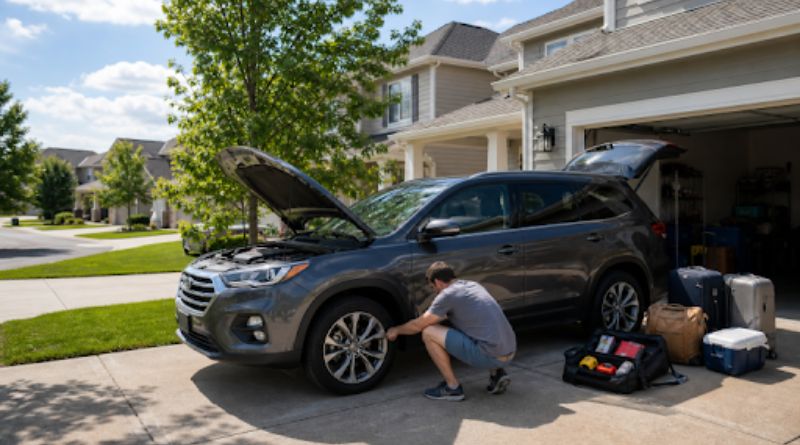

A summer road trip can mean long highway miles, stop-and-go traffic, steep grades, hot pavement, and a vehicle loaded with people and gear. Preparing early helps reduce the chance that a small maintenance issue turns into a stressful delay far from home. For help with vehicle shopping, maintenance planning, and local automotive resources, learn more before mapping out your next trip.
Whether you drive a gas-powered car, hybrid, or electric vehicle, the basics remain the same: inspect the parts that affect safety, make room for repairs if needed, pack thoughtfully, and plan for changing conditions. Road-trip readiness starts in the driveway, not after a warning light appears on the highway.
Why Pre-Trip Vehicle Prep Matters
Summer heat puts additional strain on tires, batteries, cooling systems, and air conditioning. Add heavy luggage, busy roads, and extended driving hours, and even a dependable vehicle has more to handle than it does during a normal commute. A basic inspection can identify low fluid levels, worn tires, weak battery performance, or brake concerns before they affect your plans.
Tires deserve particular attention because heat and long-distance driving can worsen existing problems. The National Highway Traffic Safety Administration reported 511 traffic fatalities in tire-related crashes in 2024, which is a useful reminder that proper tire care is a practical safety step, not just a maintenance detail.
Start Planning Several Weeks Ahead
Begin two to four weeks before departure. Read the owner’s manual for recommended service intervals, tire specifications, fluid requirements, and passenger or cargo limits. Review maintenance records to see whether an oil change, tire rotation, inspection, or brake service is due soon.
Use the vehicle identification number to check for open safety recalls, then schedule repairs early if anything needs attention. Make a realistic list of passengers, pets, luggage, coolers, sports equipment, roof-box items, and towing gear. Knowing the full load helps you prepare the vehicle correctly instead of discovering weight or space problems on departure day.
Check Tires, Wheels, and Spare Equipment
Check tire pressure when the tires are cold, ideally before the vehicle has been driven for several hours. Use the pressure listed on the driver’s door label or in the owner’s manual, not the maximum pressure molded into the tire sidewall. Inspect each tire for cuts, cracks, nails, bulges, or uneven tread wear.
Do not overlook the spare tire, jack, lug wrench, locking-wheel key, and tire inflation kit. If the vehicle pulls to one side, vibrates at speed, or shows irregular wear, ask a qualified technician about alignment and wheel balance. Those issues can shorten tire life and make long-distance driving less predictable.
Inspect Fluids, Brakes, and Cooling Systems
Check the engine oil level and confirm whether service is due. Look at coolant levels only when the engine is cool, and never open a hot cooling-system cap. Low coolant, visible leaks, or a history of overheating should be addressed before a summer trip. Fill the windshield washer reservoir, especially if you expect dusty roads, insects, or frequent rain.
Pay attention to braking performance as well. A soft pedal, grinding sound, squeal, vibration while stopping, or longer stopping distances deserve professional inspection. Transmission-fluid procedures vary widely by vehicle, so follow the manufacturer’s instructions rather than guessing.
Test Air Conditioning, Wipers, and Lights
Run the air conditioning before leaving. Weak airflow, warm air, unusual smells, or persistent fogging may point to a cabin air filter, refrigerant, or ventilation problem. Check wiper blades for cracks and streaking, then clean the windshield, mirrors, cameras, and headlight lenses for better visibility.
Test headlights, brake lights, turn signals, hazards, reverse lights, and interior controls. Make sure floor mats are properly secured and cannot interfere with the pedals. These small checks improve comfort, awareness, and reaction time during a long day behind the wheel.
Prepare Gas, Hybrid, and Electric Vehicles
Gas-powered vehicles need attention to oil, coolant, belts, hoses, battery condition, and fuel range. Hybrid owners should keep regular maintenance current and avoid starting a remote route with very little fuel, since the gasoline engine may still be needed.
Electric vehicles also need tire, brake, wiper, light, cooling system, and 12-volt battery checks. Plan charging stops around route elevation, outside temperature, traffic, passenger load, and towing needs. Extra weight can reduce range, so leave a reasonable buffer rather than relying on the lowest possible battery percentage.
Pack a Useful Emergency Kit
An emergency kit does not need to be expensive. Pack a phone charger and backup battery, first-aid kit, flashlight, water, shelf-stable snacks, tire pressure gauge, gloves, basic tools, windshield washer fluid, and a blanket or extra clothing. Include prescription medicines and other essential personal items where they are easy to reach.
Load and Secure Cargo With Care
Keep heavy items low and near the center of the vehicle. Secure loose objects, preserve the driver’s view through mirrors and windows, and stay within listed passenger and cargo limits. Use approved tie-downs for bicycles, roof boxes, trailers, and outdoor equipment. A heavier load affects braking, handling, tire pressure needs, and EV range.
Plan the Route, Weather, and Stops
Check the forecast before leaving, then review road closures, construction zones, and likely traffic delays. Save offline directions in case mobile service disappears. Plan fuel or charging stops well before the tank or battery gets low, schedule breaks every few hours, and share your route and expected arrival time with someone at home.
Know the Warning Signs During the Trip
Pull over safely if you see a temperature warning, notice steam under the hood, experience a sudden tire-pressure loss, or smell burning. Brake, battery, oil, and check-engine warnings should not be ignored. New shaking, pulling, grinding, charging trouble, or sharply reduced electric range also calls for caution. When a warning appears serious, stop and arrange help rather than continuing and risking greater damage.
Common Questions
How Far Ahead Should a Vehicle Be Checked?
Plan the main inspection two to four weeks before departure. That leaves time for repairs, tire replacement, or parts that may not be available the same day.
Should Tires Be Checked Before Every Long Trip?
Yes. Check pressure, tread, sidewalls, and the spare tire before a long drive, even if the vehicle was serviced recently.
Do Electric Vehicles Need Summer Maintenance?
Yes. EVs still need routine inspections, and charging plans should account for heat, speed, terrain, traffic, and load.
Ready for the Road
Summer road-trip preparation does not have to be complicated. A few early checks, a sensible cargo plan, a stocked emergency kit, and extra time in the schedule can make the trip safer and less stressful. Follow the owner’s manual, address warning signs promptly, and give your vehicle the attention it needs before the road starts calling.
