
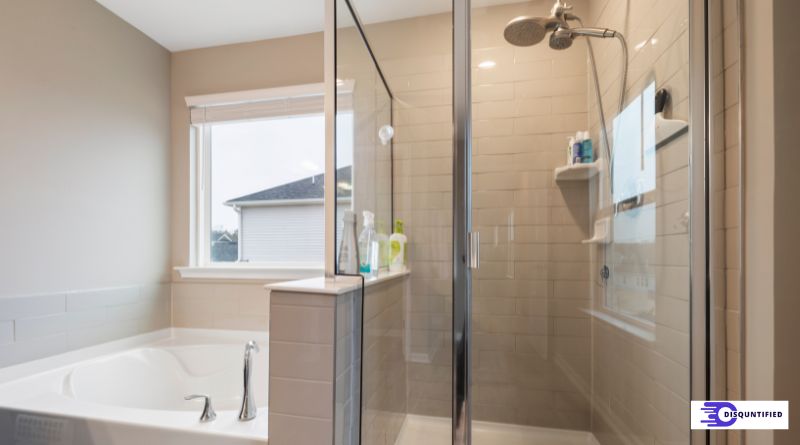

A bathtub project is rarely just about replacing one fixture with another. The tub connects to wall finishes, plumbing, flooring, ventilation, storage, and the flow of movement through the room. A well-planned bath remodel can address worn surfaces and outdated style, but it can also make everyday bathing easier, safer, and less demanding to maintain.
Begin by identifying the real reason for the project. A chipped but structurally sound tub may only need a surface solution, while recurring leaks, a soft floor, difficult entry, or a failing surround may point to more extensive work. Defining the problem first helps prevent a design decision from being driven only by a showroom display or an online photo.
Why A Bathtub Replacement Requires More Than A New Fixture
Removing an old tub can reveal conditions that were not visible from the finished bathroom. Failed caulk, loose tile, cracked grout, or a persistent musty odor can signal that water has traveled behind the walls or below the tub edge. The project scope may need to include subfloor repair, updated plumbing connections, waterproofing, or improved ventilation before new finishes are installed.
A focused wet-area update can be a practical alternative to a complete bathroom renovation. Replacing the tub, wall surround, fixtures, and nearby flooring may address the most important problems while leaving the cabinets and other parts of the room intact.
Start With A Bathroom Safety Check
Look at the bathroom as it is used during a normal day. Is stepping over the tub wall comfortable? Is there a reliable place to hold on when entering or leaving? Does water collect on the floor, and can lights be reached without crossing a dark room? Recommendations for practical measures include installing handrails in the bathtub or shower and next to the toilet, as well as nonskid surfaces and adequate nighttime lighting.
Safety Features Worth Planning Early
- Grab bars are anchored where users need support during entry, exit, and transfers.
- A handheld showerhead that can be used while standing or seated.
- Slip-resistant tub surfaces and flooring near the bathing area.
- Built-in or fold-down seating when needed.
- Open, easy-to-reach shelving that reduces bending and stretching.
- Even lighting with switches placed near the bathroom entrance.
- Shower controls are positioned so water can be turned on before stepping inside.
Decide Whether To Refinish, Replace, Or Change The Layout
- Refinishing: Consider this when the tub is structurally sound, and the primary concerns are stains, dullness, or minor cosmetic wear.
- Full replacement: This is often the better path for a cracked, unstable, hard-to-clean, or leaking tub, especially when surrounding materials also need attention.
- Tub-to-shower conversion: This can create easier entry and more open space when the household rarely uses the tub.
- Walk-in bathing solution: A low-threshold entry and integrated seating may suit homeowners planning around mobility concerns or aging in place.
Current preferences should inform, not dictate, the decision.
Measure The Room Before Choosing Materials
Measure the existing tub’s length, width, and height, then record the locations of the drain, faucet, valve, and supply line. Check door swings, available walking space, and the route materials must travel through hallways, stairways, and door openings. A tub that appears to fit online may not work with an alcove, drain placement, or the home’s access path.
Inspect the floor near the tub for movement or soft spots. Also, review nearby walls and ceilings for water stains, check drainage speed, and note whether the exhaust fan effectively clears moisture. These observations do not diagnose every hidden issue, but they help shape better questions before demolition begins.
Choose Materials For Daily Use
Acrylic, fiberglass, porcelain, stone, and composite options differ in appearance, weight, cleaning needs, and installation requirements. Instead of selecting solely by color or finish, consider who uses the bathroom and how often. Hard water, children, pets, rental turnover, and limited time for cleaning can make a durable, low-maintenance surface more valuable than a more delicate finish.
Wall systems with fewer grout lines can reduce the need for routine grout cleaning, while textured surfaces may improve footing. Ask how each material should be cleaned, whether it needs special products, and how repairs would be handled if it is damaged later.
Build A Clear Budget And Hiring Plan
A useful estimate separates removal and disposal; the new tub or shower base; wall materials; waterproofing; plumbing changes; fixtures; floor repairs; permits; cleanup; and a reserve for concealed damage. The lowest bid is not automatically the lowest final cost if it omits preparation work, product details, or post-installation cleanup.
Questions To Ask Before Signing
- Who handles demolition, disposal, plumbing, and waterproofing?
- Which specific products, fixtures, and accessories are included?
- How will hidden damage be documented, priced, and approved?
- Who obtains permits when they are required?
- What is the expected schedule under normal conditions?
- What warranty applies to materials and installation?
- How will adjacent surfaces be protected during construction?
A Simple Planning Sequence
- List access, cleaning, damage, and design concerns.
- Rank priorities such as safety, speed, function, appearance, and budget.
- Measure the room and inspect visible moisture-related conditions.
- Compare refinishing, replacement, conversion, and accessibility options.
- Request written estimates based on the same scope of work.
- Confirm materials, timing, payment terms, and change-order rules in writing.
- Inspect drainage, seals, fixtures, surfaces, and cleanup before final approval.
Conclusion
A successful bathtub replacement starts with the household, not the product catalog. By considering safety, measurements, hidden moisture concerns, materials, and written project details before work begins, homeowners can create a bathroom that supports daily life now and remains comfortable for years to come.
