

Planning for the future often involves difficult conversations about wills, trusts, and end-of-life arrangements. Understanding your loved one’s wishes and having the proper legal documents in place can prevent confusion and disputes later. While no one wants to think about loss, being informed and prepared helps families handle challenging situations more effectively. Losing a loved one is emotionally overwhelming, and the prospect of managing their affairs often adds an extra layer of difficulty. For many families, navigating the legal process known as probate can be an unfamiliar and stressful experience. When questions about estate administration arise, reaching out to experienced probate attorneys in Colorado can help clarify your options and responsibilities, ensuring you’re not navigating the process alone.
Probate is often perceived as a complex maze of legal steps and formalities, but understanding how it works can help demystify the process and enable families to proceed with confidence. Whether you’re handling a simple estate or facing complex decisions, a grasp of probate basics empowers you to make informed choices during a difficult period.
What Is Probate?
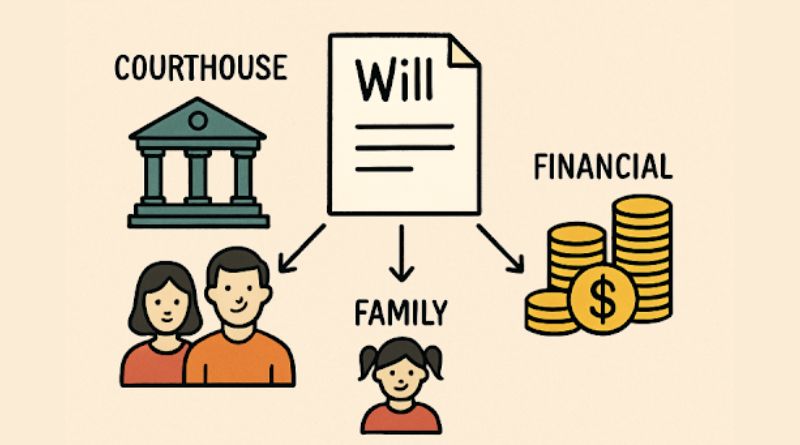
Probate is a formal, court-supervised process that ensures a deceased person’s estate is handled legally and transparently. During probate, the validity of the will is confirmed, outstanding debts and taxes are settled, and remaining assets are distributed to the named beneficiaries or heirs. If the deceased did not leave a will, state intestacy laws govern the allocation of property. Beyond distributing assets, probate provides legal protection for executors and beneficiaries by overseeing the estate’s administration and resolving disputes that may arise. Ultimately, the process safeguards the deceased’s wishes, ensures creditors are paid fairly, and maintains order in the transfer of property.
Most estates, even smaller ones, will involve probate to some extent unless all property transfers automatically to new owners through joint ownership, trusts, or designated beneficiaries. For a deeper understanding of these estate planning strategies, refer to this Investopedia overview.
When Is Probate Necessary?
Probate is generally required when someone dies owning assets solely in their own name that do not pass automatically to heirs or beneficiaries. This commonly includes:
- Individual real estate holdings
- Personal bank accounts without payable-on-death (POD) designations
- Vehicles, jewelry, and collectibles titled solely in the deceased’s name
However, accounts and assets with designated beneficiaries—such as retirement plans, life insurance policies, and joint bank accounts—are usually transferred directly to the named recipients, bypassing probate entirely. Each state has unique rules and thresholds for what must pass through probate, so consulting local statutes or professionals is always advisable.
Steps in the Probate Process
The probate process typically unfolds in a series of steps, although the specifics vary depending on state law and the estate’s complexity:
- Filing a Petition: Probate begins with a petition to the appropriate court, requesting authority to administer the estate.
- Notifying Heirs and Creditors: The court requires formal notification to all interested parties, including heirs, beneficiaries, and known creditors. This may involve publishing in a newspaper for unknown creditors.
- Inventorying Assets: The estate’s executor or personal representative compiles an inventory of all assets, noting their value at the date of death.
- Paying Debts and Taxes: Valid claims by creditors and any required taxes—including federal or state estate taxes—must be settled before distributing inheritances.
- Distributing Remaining Assets: The remaining assets are then distributed in accordance with the will’s instructions or, in the absence of a will, in accordance with state law.
Because some estates are more complex than others, these steps can take anywhere from a few months to several years to complete. It’s not uncommon for delays to arise due to disputes, missing documents, or tax complications. For more information on state-specific timelines and typical court proceedings, visit Investopedia’s resource on probate.
Common Challenges in Probate
Families may encounter several difficulties as they move through the probate process:
- Lengthy Timeframes: Even straightforward cases often take several months to resolve. Complex estates, family disputes, or missing documentation can prolong the probate process for years.
- Financial Costs: Probate involves court fees, attorney costs, appraisal charges, and, in some cases, expenses related to will contests. These costs reduce the estate’s value and may impact the inheritance beneficiaries receive.
- Lack of Privacy: Since probate is a public process, the details of the estate and its distribution become public record, which some families may find undesirable.
Awareness of these common challenges helps families set realistic expectations and consider strategies to mitigate specific issues in advance.
Ways to Avoid Probate
There are several effective strategies to keep all or part of an estate out of probate court, ensuring a faster and often more private transfer of assets:
- Revocable Living Trusts: Transferring ownership of significant assets into a trust enables direct distribution to beneficiaries upon death, thereby bypassing probate entirely.
- Joint Ownership with Right of Survivorship: Property (such as homes or bank accounts) co-owned with the right of survivorship passes automatically to the surviving owner outside of the probate process.
- Pay-On-Death (POD) and Transfer-On-Death (TOD) Designations:Adding POD or TOD beneficiaries to financial accounts or securities ensures funds transfer directly and immediately upon the owner’s passing.
Reviewing and updating beneficiary designations periodically, considering trusts for complex estates, and consulting with an estate planning attorney can all be part of a successful strategy to avoid probate. Families interested in lifelong estate management will benefit from these proactive steps to minimize court involvement and maximize legacy planning.
Conclusion
Understanding the probate process provides families with the knowledge and tools needed to navigate the often complex legal and administrative responsibilities that follow the death of a loved one. Probate involves validating a will, settling debts, and distributing assets according to the decedent’s wishes, which can be overwhelming without proper guidance. By learning when probate is required, the steps involved, and strategies for managing or even minimizing its impact, families can reduce confusion, prevent delays, and avoid potential disputes. This awareness allows loved ones to make informed decisions while maintaining compliance with legal requirements. Ultimately, a solid grasp of probate empowers families to handle financial and legal matters efficiently, allowing them to focus on emotional healing and honoring the deceased’s legacy during a challenging and sensitive time.
