
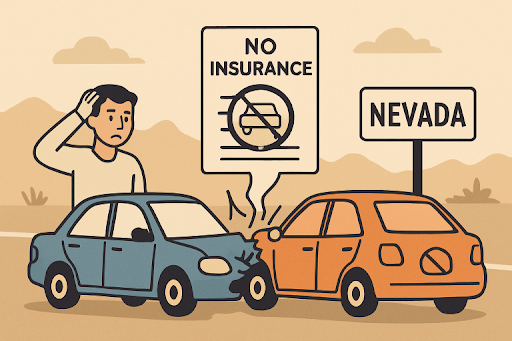

Car accidents are stressful and disorienting events, but when you discover the other driver is uninsured, the situation can quickly feel overwhelming. In Nevada, statistics indicate that approximately 1 in 10 drivers do not carry insurance, which puts responsible motorists at an increased risk. If you are unfortunate enough to be struck by someone without insurance, acting quickly and knowledgeably is crucial to protect your health, rights, and financial future. Seek guidance from professionals at BlakeFriedmanLaw to navigate these complex scenarios and ensure your interests remain safeguarded during every phase of the post-accident process.
Understanding the proper steps to take not only positions you for a smoother recovery but may also help you avoid pitfalls that could compromise your case or leave you responsible for damages that weren’t your fault. Nevada’s legal landscape can be tricky following accidents with uninsured motorists, so thorough documentation, prompt reporting, and the support of experienced advisors can make all the difference.
While it may seem daunting, knowing what to do next—and who to call—ensures you protect both your well-being and your financial interests. Below is a step-by-step overview of the actions you should take immediately after an accident with an uninsured driver in Nevada, as well as advice for long-term protection.
Ensure Safety and Call Emergency Services
Your priority should be checking for injuries to yourself, your passengers, and any other individuals involved. If there is any doubt about the severity of the injuries, call 911 immediately. Not only does this bring medical help to the scene, but it also ensures that law enforcement responds and generates an official accident report. Even if injuries seem minor, thorough documentation is essential for both insurance and legal claims later on.
Once safety is assured, move vehicles out of traffic if possible to prevent further accidents, but don’t leave the scene until it’s appropriate to do so.
Gather Comprehensive Evidence
Thorough evidence collection is crucial for protecting your claim later. Using your phone, take as many photos and videos as you can. Essential images include:
- All visible damage to vehicles
- License plates (especially of the uninsured driver)
- Roadway conditions, debris, and weather factors
- Traffic signs or signals nearby
- Any visible injuries to yourself or others
Also, if witnesses stopped to help, politely ask for their contact details—witness statements often serve as key evidence if legal questions arise.
Exchange Information with the Other Driver
Nevada law requires drivers involved in an accident to exchange information, regardless of their insurance status. Secure accurate details, including:
- Full name and current address
- Driver’s license number
- Vehicle make, model, year, and VIN
- License plate number
This exchange is critical for your insurer and for future proceedings.
Report the Accident to the Police
Under Nevada law, any accident resulting in injury, death, or property damage over $750 must be reported to the police. Failing to report can result in penalties. The resulting police report will be crucial for insurance claims and any subsequent legal proceedings.
Seek Medical Attention Promptly
Even if you feel fine immediately after the accident, some injuries, such as whiplash or concussions, may not appear until hours or days later. Visit a healthcare provider as soon as possible for a thorough checkup and to generate medical records—both essential for documenting your claim. These records not only protect your health but also serve as supporting evidence.
Notify Your Insurance Company
Contact your insurance provider as soon as practical, providing all the information and documentation you’ve gathered. Transparency and prompt communication will help keep your claim on track. Check your policy to see if you have Uninsured Motorist (UM) or Underinsured Motorist (UIM) coverage, which can provide compensation for injuries and property loss due to an uninsured driver. For a deeper understanding of UM and UIM coverage, visit the Consumer Reports guide. Keeping detailed records of all communications with your insurer, including dates, names, and summaries of conversations, can help prevent misunderstandings or delays. If issues arise or your claim is questioned, having organized documentation will strengthen your position and support a smoother resolution.
Consult with a Legal Professional
Accidents involving uninsured motorists can be legally complex. Speaking with a qualified attorney ensures you understand your options, rights, and potential for compensation. Legal guidance is significant if you encounter challenges with insurance companies or need to pursue damages through civil court. An attorney can help you gain clarity and make informed choices about your next steps.
Consider Uninsured Motorist Coverage
Nevada does not require drivers to carry uninsured motorist coverage, but having it is a wise investment. This option can be a financial lifesaver if you’re involved in an accident with someone who lacks insurance—it covers medical bills and vehicle repairs, reducing your out-of-pocket expenses and stress if you’re ever in this unfortunate position.
Conclusion
Being involved in an accident with an uninsured driver in Nevada can be overwhelming, but taking the right steps early can significantly protect your health, finances, and legal rights. Prioritizing safety, documenting everything, seeking timely medical care, and consulting experienced legal counsel can make a meaningful difference in the outcome of your claim. By staying informed and considering protections like uninsured motorist coverage, you place yourself in a stronger position to recover and move forward with confidence.
Read Also:
