
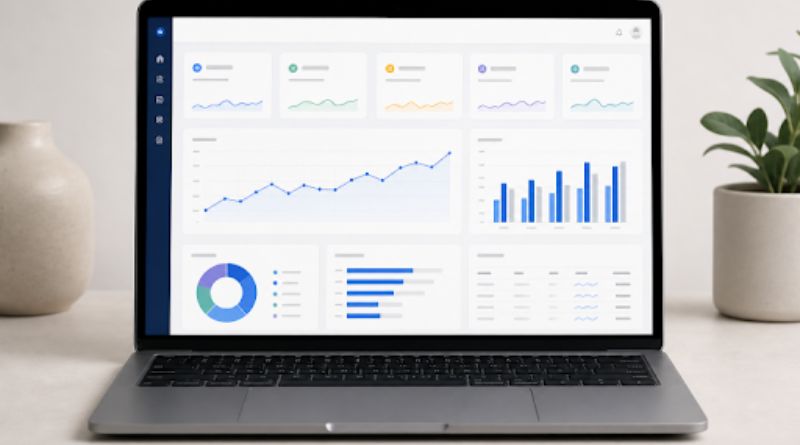

Marketing teams have more data than ever, but more data does not automatically produce better decisions. A focused brand health scorecard helps teams identify what audiences think, how those views are changing, and where action is needed. For organizations building a more structured measurement program, https://www.materialplus.io/services/brand-health-tracking offers useful context on brand health tracking. The goal is not to create a colorful dashboard that gets opened once a quarter. The goal is to create a working decision tool that connects audience perception with business performance. A strong scorecard makes it easier to see whether marketing is building meaningful demand, improving customer relationships, or simply generating short-term activity.
Why A Brand Health Scorecard Matters In 2026
Teams now pull signals from surveys, website analytics, search behavior, social discussions, customer support, sales reports, and review platforms. When those signals live in separate reports, it becomes difficult to tell a coherent story. A scorecard brings the most important indicators into one place and gives each one a purpose. For example, a company may see rising website traffic while brand preference falls. That could mean its campaigns are earning attention, but its offer, product experience, pricing, or positioning is not persuading buyers. Traffic alone would suggest success. A connected scorecard reveals the risk before it becomes a larger revenue problem.
The Core Metrics To Include
Awareness
Awareness shows whether people know the brand. Track both unaided awareness, meaning the brand people name without prompting, and aided awareness, meaning the brand they recognize from a list. Awareness is useful for judging reach, but it does not prove that people trust or prefer the brand.
Consideration And Preference
Consideration measures whether a brand enters a buyer’s shortlist. Preference goes further by showing which option people would choose when comparing realistic alternatives. A well-known brand can still lose business if it is rarely considered or consistently outranked by competitors at the point of choice.
Brand Associations, Sentiment, And Trust
Brand associations reveal the qualities people connect with a company, such as affordability, innovation, dependability, or premium quality. Compare these results with the messages the brand intends to communicate. Sentiment and trust add valuable context, especially when customer comments reveal recurring praise or concern. Automated sentiment tools can help sort large volumes of feedback, but teams should read samples of real comments before treating a score as the full story.
Loyalty, Advocacy, And Competitive Position
Loyalty measures can include repeat purchase, retention, renewal, recommendation, and willingness to continue using the brand. Read them alongside customer experience data, because weak support or product friction can undermine loyalty even when marketing is effective. Competitive position should compare the brand with the alternatives customers genuinely consider, using the same questions and time periods.
For a broader explanation of how names, symbols, associations, and market perception contribute to a brand, see this brand management overview.
Start With Business Questions
Build the scorecard around decisions, not around the data your tools happen to collect. Begin with the goal, then identify the audience risk that could prevent progress.
- State the business goal, such as improving the adoption of a new service.
- Identify the related risk, such as low awareness among a priority audience.
- Select the few measures that indicate whether the risk is improving or worsening.
- Assign an owner for each metric.
- Agree on the action to take if results move above or below expectations.
A product launch may prioritize awareness and consideration. A mature brand with declining sales may need to investigate preference, value perceptions, and competitive strength. A service business with high trial but poor repeat use should focus more closely on loyalty, onboarding, and customer experience.
Combine Several Data Sources
No single source fully explains brand health. Survey data is best for awareness, attitudes, associations, and intent. Customer data shows retention, repeat behavior, churn, and service issues. Search data can highlight changing demand and common questions. Social and review data can surface public discussion, while sales data connects brand movement to commercial outcomes. Data quality matters as much as data volume. Check whether survey samples represent the intended audience, whether question wording has changed, whether records are duplicated, and whether seasonal events affect comparisons. If a collection method changes, label the break clearly rather than presenting it as a clean trend.
Build A Simple Scorecard And Set Benchmarks
A practical scorecard can live in a spreadsheet or reporting tool. Keep it readable enough that leaders can understand it in a few minutes. For each metric, include:
- The metric name and a short definition.
- The current result and the previous result.
- The target and the relevant benchmark.
- The audience segment being measured.
- A status label, such as positive, watch, or needs action.
- A brief explanation of the change, the next step, and the owner.
Use several benchmarks when appropriate. Historical benchmarks show movement over time. Category benchmarks show relative position. Audience benchmarks reveal important differences between groups. Campaign benchmarks compare results before and after activity. Target benchmarks define what result is needed to support the business plan. Small changes may be meaningful in a stable category, but not in a volatile one, so always consider sample size, timing, seasonality, and market events.
Create A Review Process
Monthly reviews should flag sudden shifts in sentiment, search behavior, campaign response, customer feedback, or support issues. Quarterly reviews should focus on slower-moving measures such as awareness, preference, loyalty, and competitive position. An annual review should remove metrics that no longer guide decisions and add measures when the market, audience, or business model changes. Helpful reporting follows the same people-first principle as useful content: each view should help someone make a better decision. Google’s guidance on helpful, reliable, people-first contentprovides a useful reminder that clarity and genuine usefulness matter more than volume.
Avoid Common Measurement Mistakes
- Tracking too many metrics without a defined purpose.
- Changing survey questions so often that trends become unreliable.
- Comparing different audiences as if their results mean the same thing.
- Treating correlation as proof that one campaign caused a result.
- Using one overall score to represent the entire brand.
- Reporting findings without assigning an action and an owner.
A Sample Brand Health Scorecard
Consider a fictional home fitness brand. Its latest scorecard might show the following:
- Unaided awareness: 42%, up from 39%. Maintain reach among priority audiences.
- Consideration: 28%, down from 31%. Review whether product claims align with audience needs.
- Brand preference: 19%, down from 21%. Test clearer points of difference against leading alternatives.
- Repeat use: 64%, up from 61%. Study product features and experiences linked to retention.
- Positive sentiment: 71%, up from 68%. Track the specific themes driving improvement.
Common Questions
How Many Metrics Should A Scorecard Have?
Start with five to eight core measures. Add more only when they support a real decision, and the team has the capacity to maintain them.
How Often Should Brand Health Be Measured?
Fast-moving categories may need monthly monitoring, while broader perception research may be more useful quarterly or at key planning points.
Can Small Businesses Use A Brand Health Scorecard?
Yes. A simple version can combine customer feedback, a short survey, search trends, repeat purchase data, and a spreadsheet.
Final Thoughts
A brand health scorecard is not a collection of attractive charts. It is a disciplined way to connect what people think, what they do, and what the business should do next. A strong scorecard combines customer perception, awareness, engagement, loyalty, and business performance into a clear view of brand strength over time. The most useful measures focus on meaningful goals rather than on excessive data points that create confusion. Consistent tracking methods help teams identify real changes. At the same time, regular reviews reveal opportunities and potential risks. The goal is not simply to report numbers but to understand what those numbers mean and how they can guide better decisions. Keep the measures focused, maintain consistent methods, investigate meaningful changes, and make every finding lead to a clear action that improves brand performance.
