
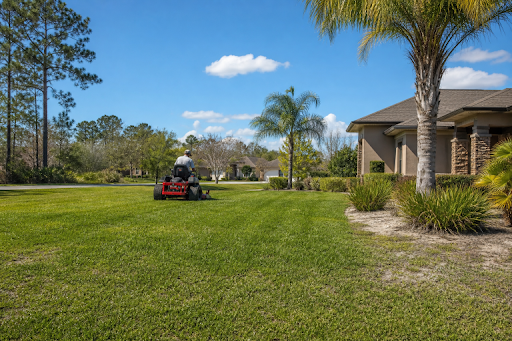

Ocala lawns face a distinctly Central Florida mix of sandy or alkaline soil, summer downpours, dry spells, heat, and winter slowdowns. This month-by-month plan helps homeowners make better decisions about mowing, irrigation, weeds, pests, and soil health without treating every lawn problem the same way.
For recurring turf issues that need a closer look, Lawn Treatment Services in Ocala from Soil Wizards offers science-based fertilization, weed control, lawn insect and disease treatments, core aeration, topdressing, and palm care. As a locally based Ocala company serving Marion County and surrounding areas, Soil Wizards builds programs around turf type, soil chemistry, and Florida growing conditions rather than relying on a one-size-fits-all schedule.
Why Ocala Lawns Need a Different Schedule
Warm-season turf in Ocala can grow through much of the year, but growth changes sharply with temperature, rainfall, and daylight. St. Augustine, Zoysia, Bermuda, and Bahia grass do not respond identically to mowing height, traffic, shade, or fertilizer. A northern lawn routine can easily lead to poor timing, including feeding slow-growing turf or watering after regular rain. Practical Florida lawn care guidance also emphasizes efficient irrigation, proper mowing height, and identifying the cause of dead patches before repairing them.
January and February: Clean Up and Prepare
Mow only if the lawn is still growing, and avoid cutting it short. Remove leaves, branches, and heavy debris so sunlight and air can reach the grass. Check dry areas before turning on irrigation, then inspect sprinkler heads, timers, and rain sensors. Do not apply heavy nitrogen while the turf is dormant or moving slowly.
By February, look for early green-up and sharpen mower blades before spring. Walk the property for thin turf, compacted spots, standing water, and weeds around sidewalks, driveways, and beds. Weed prevention works best when it is planned before weeds mature, but product choices should match the grass species.
March and April: Reset the Lawn Carefully
As temperatures rise, mowing may become more frequent. Follow the one-third rule by removing no more than one-third of the leaf blade in one mowing, and do not scalp the lawn during green-up. Begin adjusting irrigation for warmer conditions, but let rainfall guide the schedule.
April is a good time to test the soil before repeating fertilizer applications. Sandy soil can lose nutrients quickly, while high-pH soil can limit nutrient availability. Check irrigation coverage with small containers placed around the lawn. Consider core aeration where traffic has hardened the soil, roots appear weak, or water does not soak in evenly.
May: Prepare for Heat, Rain, and Pests
Raise mowing height within the recommended range for the grass type so blades can shade the soil during hotter weather. Adjust irrigation as rain becomes more frequent. Watch for irregular yellow or brown patches, especially in sunny areas of St. Augustine turf, and inspect for chinch bugs, mole crickets, sod webworms, or disease. Pest damage can resemble drought stress, so photograph unusual areas before applying a treatment.
June Through August: Protect the Lawn During Summer
Summer lawn care has three priorities: mow correctly, manage water, and scout often. Water in the early morning when irrigation is needed, and reduce or pause scheduled watering after substantial rain. Late-evening watering can leave grass wet overnight, which may increase disease pressure. Avoid heavy fertilizer applications on stressed turf, especially when storms or saturated soil are likely.
- Look for expanding yellow, brown, or thinning patches.
- Part the grass near damaged edges to check for insects.
- Test sprinkler coverage and clear blocked heads.
- Check for pooling water after storms.
- Improve airflow by keeping mower blades sharp and grass at an appropriate height.
September: Repair Summer Damage
Late summer and early fall are useful for reviewing what the lawn endured. Clear storm debris, note bare spots, check compacted pathways, and identify drainage trouble. Growth may slow, so mowing may become less frequent. Do not treat every brown patch as a fertilizer problem. Review possible causes first, including insects, disease, irrigation gaps, soil compaction, or root stress. Avoiding common seasonal lawn care mistakesstarts with matching each response to the condition actually affecting the turf.
October and November: Improve the Root Zone
Fall is a sensible time to address underlying soil concerns before winter slowdowns. Core aeration removes plugs of soil to relieve compaction and improve the movement of air and water. Topdressing is different: it adds a thin layer of suitable material over existing turf to support the root zone. Neither practice replaces correct mowing, irrigation, or drainage repair.
- Thin turf with hard soil: Consider aeration.
- Poor response to nutrients: Start with a soil test.
- Water pooling: Investigate grading, runoff, or drainage.
- Heavy thatch: Seek a professional evaluation before aggressive removal.
December: Slow Down and Plan Ahead
Mow only as needed, avoid unnecessary fertilizer, and irrigate lightly only when the turf shows drought stress. Use the quieter season to review the year. A simple lawn journal should record mowing dates, rainfall, irrigation changes, fertilizer or treatment dates, pest sightings, and repairs. Patterns often reveal whether a problem begins after rain, during dry weather, or in a particular part of the property.
How Grass Type Changes the Calendar
- St. Augustine: Often used in Florida landscapes, it needs careful mowing and monitoring for chinch bug damage.
- Zoysia: Forms dense turf but can recover slowly from damage and may develop thatch.
- Bermuda: Performs best in strong sun and grows actively during warm weather.
- Bahia: It generally has lower input and can tolerate dry conditions better than some turf types.
When to Call for a Professional Lawn Assessment
Request an assessment when brown patches keep spreading after irrigation adjustments, grass remains thin despite proper maintenance, water runs off instead of soaking in, weeds quickly return, insect injury appears in several areas, or nearby palms decline without an obvious explanation. Diagnosis matters because replacing sod or adding more fertilizer will not solve an untreated insect, disease, drainage, or soil problem.
Common Questions About Florida Lawn Care
How Often Should a Florida Lawn Be Mowed?
Mow according to growth rate, not a fixed calendar. Rainfall, temperature, grass type, and irrigation all affect growth. Maintain the recommended height for the species and follow the one-third rule.
Should Florida Lawns Be Fertilized in Summer?
Only fertilize actively growing turf when soil conditions, weather, product directions, and local rules support it. Avoid feeding stressed turf without identifying why it is struggling.
Why Does Grass Turn Brown After Heavy Rain?
Poor drainage, compacted soil, root stress, disease, nutrient loss, and insect activity can all contribute. Inspect the lawn before choosing a treatment.
Is Aeration Helpful for Florida Soil?
Core aeration can help compacted lawns by opening channels for air, water, and nutrients to reach roots. Timing and follow-up mowing and irrigation practices still matter.
Conclusion
A healthy Ocala lawn is built through a year-round rhythm, not constant product use. Matching mowing, water, soil care, and inspections to each season helps homeowners spot trouble earlier and give their grass the right care at the right time.
