

Every action your body takes, whether visible like moving your arms or invisible like digesting food, relies on a constant supply of energy produced at the cellular level. This vital process happens within nearly every one of your body’s trillions of cells, keeping you alive and enabling everything from basic survival to peak performance. Unlocking how this internal powerhouse works reveals not only the marvel of human biology but also practical steps you can take to enhance your energy levels and overall well-being. To further support healthy energy production, many people explore advanced nutritional solutions like MitoSynergy, designed to provide targeted support for cellular function.
Understanding cellular energy processes isn’t just about biology; it’s about how daily choices impact your energy and resilience. When cells work well, you feel alert, focused, and capable. If not, fatigue, foggy thinking, and lower immunity result. Your habits greatly affect this, from diet to activity, influencing your body’s energy production. Learning science helps optimize health, productivity, and longevity. Recent research highlights that efficient energy production is key to cognitive health and disease prevention. Harvard Medical School research offers deeper insights into mitochondrial health in brain aging and cognition.
Cellular Respiration: The Energy Conversion Process
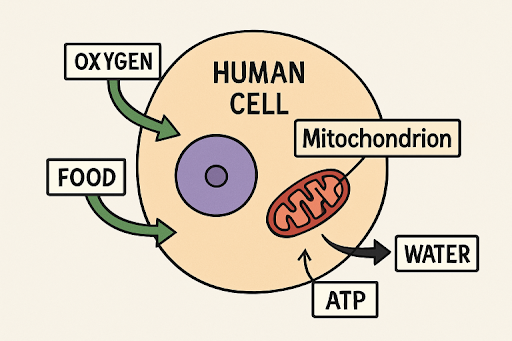
Cellular respiration, key to energy, occurs in three phases: glycolysis in the cytoplasm breaks down glucose into pyruvate, producing some ATP and molecules for the next phase. The Krebs cycle in mitochondria further metabolizes pyruvate, releasing electrons to the electron transport chain, also in mitochondria. This chain produces most ATP by transferring electrons and combining with oxygen to form water, essential for transforming food into usable energy.
The Role of Mitochondria in Energy Production
The mitochondria are often called the cell’s “powerhouses” because they produce ATP. They contain the Krebs cycle and the electron transport chain, concentrating energy generation in a protected space. Protein complexes form large structures called “supercomplexes,” boosting electron transfer efficiency and reducing energy loss. When functioning well, mitochondria energize your body, help cell renewal, and support organs like the brain and heart that need high ATP. Mitochondrial dysfunction links to fatigue, metabolic, and neurological disorders.
Why Efficient Energy Production Matters
Efficient energy production is not just about having enough stamina for everyday activities. Every cell in your body must balance energy supply with demand, a process that allows tissues to repair and renew, wounds to heal, and your immune system to fight off infections. When energy production stalls or mitochondria become less effective, the domino effect can include fatigue, brain fog, muscle weakness, and an increased risk of developing diseases over time. Researchers have even found that streamlined energy conversion provides an evolutionary advantage, supporting faster growth, quicker healing, and resistance to stressors.
Factors Affecting Cellular Energy Production
There are many factors that affect how effectively your cells produce energy. Nutrition is foundational; cells need a steady supply of glucose, healthy fats, and vitamins like B12 and Coenzyme Q10 to fuel ATP production. Exercise improves mitochondrial function, promoting the formation of new mitochondria and strengthening energy metabolism. Aging naturally brings a decline in mitochondrial efficiency, which can be offset through healthy lifestyle adaptations. Conversely, exposure to toxins such as heavy metals or processed food additives can damage mitochondria, slowing energy output and harming long-term health.
Tips for Maintaining Healthy Cellular Energy Levels
Maximizing health and longevity involves several key components: a balanced diet rich in vitamins, minerals, and antioxidants, incorporating leafy greens, lean proteins, whole grains, and healthy fats; regular exercise, which includes cardiovascular and strength training to enhance mitochondrial health; adequate sleep, prioritized for 7 to 9 hours per night to facilitate cellular repair; stress reduction techniques such as mindfulness and meditation to mitigate stress hormone impact on mitochondria; and limiting toxin exposure through organic food choices and contamination-aware practices. By optimizing these areas, individuals can protect their cellular energy production as they age, contributing to sustained activity and resilience. Consistent, small lifestyle choices significantly influence long-term health outcomes, fostering a vibrant and productive life.
Conclusion
Cellular respiration is vital for life, powering tissues and organs via ATP. Healthy mitochondria convert nutrients efficiently, supporting activity, cognition, and resilience. Lifestyle factors like diet, exercise, sleep, and stress management are crucial for mitochondrial health, while reducing toxin exposure helps preserve them. Targeted nutrient strategies can boost mitochondrial function and energy metabolism. Understanding energy generation and taking protective steps promote vitality, mental clarity, and overall health, helping the body meet daily demands.
