
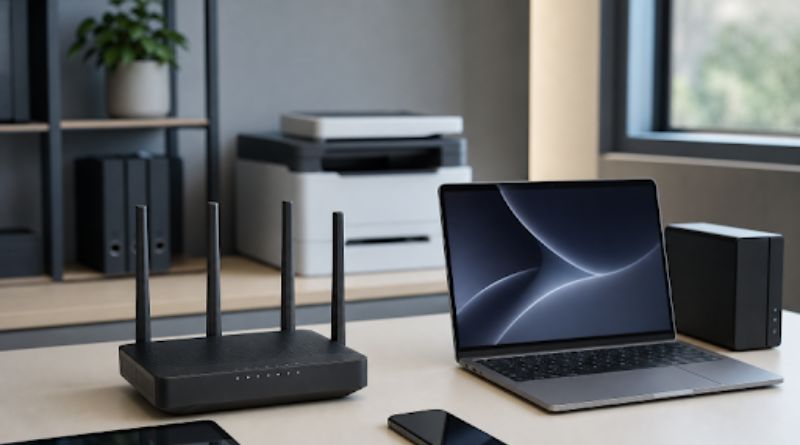

Business internet should make work easier, whether your team runs video meetings, accepts payments, shares files, uses cloud software, or supports customers online. Before comparing providers, review available comcast business internet plans alongside local alternatives, then match each option to the way your business actually operates. A connection that looks fast on paper can still feel slow if many people share it, upload limits are in place, Wi-Fi equipment is outdated, or support is difficult to reach during an outage. This checklist can help you compare the details that affect everyday productivity.
Start With The Workload, Not The Plan Name
Begin by listing the tasks that depend on your connection. Email and basic browsing require modest capacity, but cloud-based accounting, point-of-sale systems, security cameras, Voice over IP phones, online ordering, large file transfers, and guest Wi-Fi can quickly increase demand. Ask employees which activities currently cause slowdowns. Their answers often reveal whether the real problem is insufficient bandwidth, weak Wi-Fi coverage, too many connected devices, or an application that needs better upload performance.
Match Speed To Team Size And Device Count
The number of employees is important, but device count matters too. One person may use a laptop, a phone, a tablet, a desk phone, and several cloud applications at the same time. Plan for simultaneous usage instead of assuming everyone will be online lightly.
-
Solo professionals and small offices: Usually need capacity for email, documents, web tools, and occasional video calls.
-
Growing offices: Need more room for several video meetings, cloud apps, shared files, and many devices.
-
High-traffic workplaces: May require substantial capacity for cameras, backups, media uploads, phones, payment systems, and guest access.
Actual performance also depends on the building layout, the router, access points, wired connections, and local network congestion. When comparing offers, use the details on broadband consumer labelsto look beyond promotional claims and review service terms more closely.
Do Not Ignore Upload Speed
Download speed controls how quickly your office receives data. Upload speed controls how quickly it sends files, backups, video, and other information to the internet. Latency measures response time, which can affect calls, remote desktops, payment tools, and other real-time work. A marketing agency, for example, may have plenty of download speed for research and streaming, yet lose time when sending finished video projects to clients. A more balanced connection can be a better fit than one with a high download speed and limited upload speed.
Measure Reliability In Practical Terms
Reliability is more than a promise of fast service. Consider what happens if the internet stops working for an hour. Could employees process payments, access customer records, receive calls, communicate with suppliers, or operate security systems? Before signing, ask whether the provider offers a service-level agreement, how it defines downtime, whether support is available 24/7, how repairs are escalated, and whether backup connectivity is available. The answers may matter more than a small speed difference between plans.
Plan For Outages Before They Happen
An outage plan does not need to be complicated. Identify the systems that must remain online, choose a backup method, and test it periodically. A secondary wired connection, fixed wireless service, 5G backup, or managed cellular failover may keep essential work moving.
-
Keep the modem, router, and network equipment on battery backup.
-
Maintain mobile hotspots for a small group of critical employees.
-
Create a short employee procedure for payment, phone, and access disruptions.
-
Store provider and IT support contacts where staff can reach them offline.
Review Security Features And Network Controls
Business internet service may include firewalls, threat filtering, managed Wi-Fi, device controls, and separate guest networks. Those tools can help, but they do not replace good habits. Use strong, unique passwords, multi-factor authentication, keep software up to date, perform regular backups, and train on phishing awareness. For practical guidance, the cybersecurity best practicespublished by CISA can help small businesses build stronger routines around account security, updates, and recovery planning.
Compare Fiber, Cable, Fixed Wireless, And 5G
Fiber is often attractive for consistent capacity and strong upload performance. Cable can offer broad availability and solid download speeds. Fixed wireless and 5G can be useful where wired choices are limited, installation must happen quickly, or a business needs a backup connection. Compare each option by address-level availability, download and upload speeds, latency, installation time, weather or signal considerations, failover options, and total monthly cost. No connection type is automatically best for every location.
Read The Contract Line By Line
The advertised monthly price may not be the full price. Request an order summary in writing and check the promotional period, standard rate after promotion, contract length, early termination fee, installation cost, equipment charges, taxes, support fees, data rules, and price-lock conditions. A clear written quote makes it easier to compare providers fairly and prevents a low introductory price from becoming an expensive surprise later.
Check Support Before You Need It
Ask who handles urgent outages, whether remote troubleshooting is available, how technicians are dispatched, whether service visits cost extra, and how outage updates are communicated. Also, confirm that the provider can work with your in-house IT employee or outside technology partner.
Leave Room For Growth
Think 12 to 24 months ahead. Hiring additional locations, cloud migrations, connected cameras, new phone systems, and heavier video use can all raise demand. Choose an option that can scale without requiring a disruptive replacement, but avoid paying for excessive capacity that has no clear business purpose.
Use Satisfaction Data As One Piece Of The Puzzle
Provider reviews and satisfaction research can reveal broad trends, but local performance can vary by neighborhood, building, and network design. Combine outside research with address-level availability, contract details, conversations with nearby businesses, and feedback from your building manager or IT professional.
Make The Final Decision
-
List daily internet-dependent tasks and critical systems.
-
Estimate users, devices, video calls, cloud activity, and uploads at busy times.
-
Set minimum goals for download speed, upload speed, latency, reliability, and support.
-
Compare complete pricing, contracts, equipment, and backup choices.
-
Test the connection after installation and document the outage procedure.
The right business internet connection supports the work you do now while providing room for the work you expect next. Speed is important, but reliable service, capable uploads, secure network controls, responsive support, clear costs, and a tested backup plan are what turn an internet plan into a dependable business tool.
Conclusion
The right business internet connection should support everyday operations without creating unnecessary cost or complexity. Businesses should look beyond advertised download speeds and consider upload performance, latency, reliability, security, support, contract terms, and backup options. By matching the service to current workloads while leaving room for future growth, businesses can build a more dependable network that keeps employees productive, customers connected, and critical operations running during unexpected problems. Comcast Business internet plans, alongside local alternatives, then match each option to how.
